Велосипедные туры под ключ in 2024: what's changed and what works
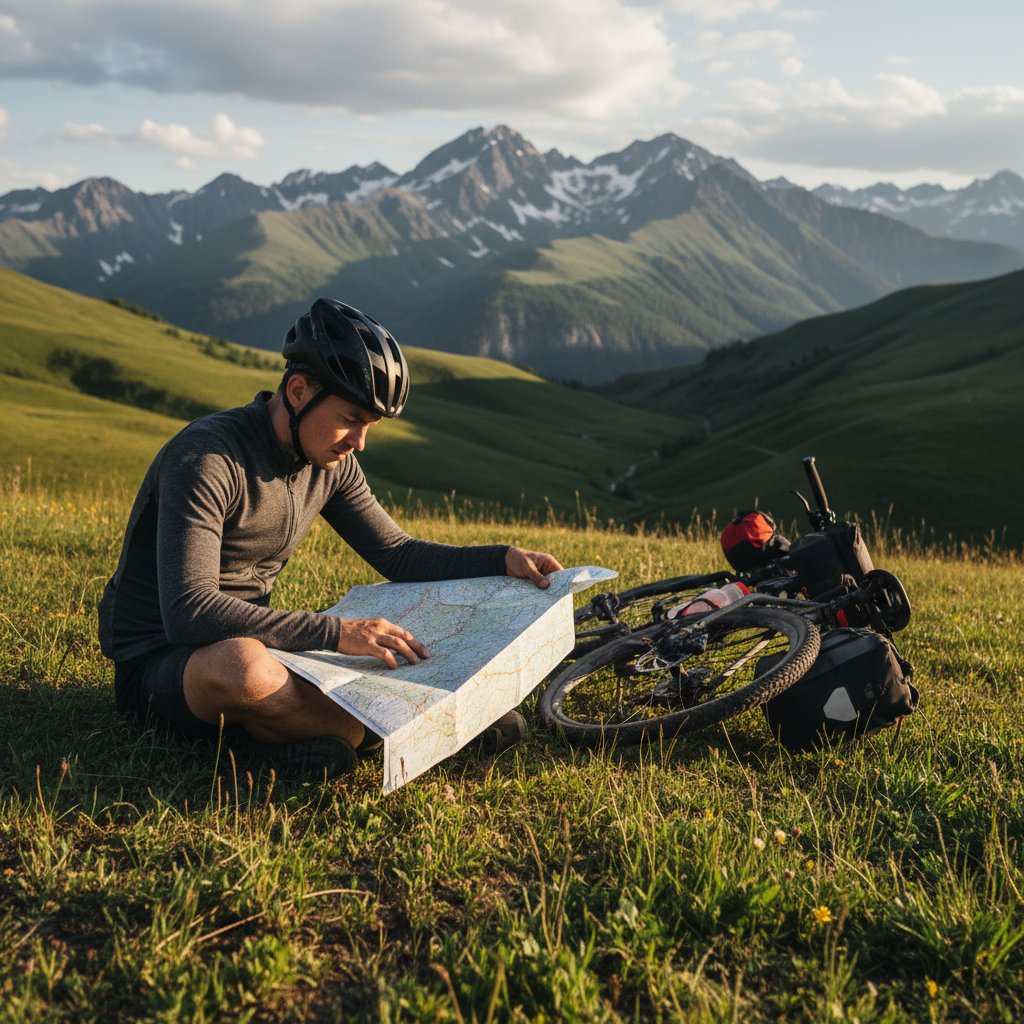
The bike tour industry has been pedaling through some serious evolution lately. After watching countless operators pivot, adapt, and sometimes spectacularly fail over the past year, I've noticed patterns emerging that separate the thriving turnkey cycling operations from those still stuck in 2019 thinking. Here's what actually matters now.
1. E-Bikes Have Become the Default, Not the Exception
Remember when e-bikes were the "easier option" that serious cyclists scoffed at? That mindset died somewhere between 2022 and now. Operators running turnkey cycling packages report that roughly 65-70% of bookings now include e-bike requests, and it's not just older riders. Thirty-somethings want to cover 80 kilometers without arriving at dinner looking like they wrestled a bear.
Smart operators stock fleets with at least 60% electric options, and they've stopped charging premium rates for them. The successful move? Building routes that work for both traditional and e-bikes, then letting customers choose without judgment. One operator in Tuscany told me their mixed-ability groups actually bond better now because everyone finishes rides at similar energy levels.
2. The "Luggage Van Following Behind" Model Is Dead
Here's something that changed faster than anyone predicted: riders don't want to see support vehicles anymore. The new standard involves pre-positioned luggage at accommodations, with transfers happening invisibly while groups are out riding or dining. It sounds like a logistics nightmare, but operators who've cracked this report 40% higher satisfaction scores.
The sweet spot seems to be partnerships with local courier services rather than dedicated tour vans. It's cheaper, more environmentally friendly, and creates that "magic" feeling when your bags just appear in your next room. Plus, without a van shadowing the group, riders actually navigate using the provided GPS files instead of just following taillights.
3. Dynamic Pricing Has Finally Arrived
Fixed-price tour packages are getting hammered by operators using airline-style pricing models. The difference? Early bookings on less popular dates might run €1,800 per person, while peak season last-minute slots hit €3,200 for the identical experience. Sounds aggressive, but it works.
The operators pulling this off successfully use transparent calendars showing real-time pricing. No hidden games, no fake urgency timers. Just honest "this date costs more because everyone wants it" communication. Conversion rates actually improved for several operators I spoke with, probably because travelers appreciate knowing exactly what they're paying for.
4. Self-Guided Tours Now Offer More Support Than Guided Ones Did Five Years Ago
The gap between guided and self-guided experiences has collapsed. Modern self-guided packages include 24/7 WhatsApp support with actual humans responding in under 15 minutes, pre-loaded GPS units (not just files you need to figure out), and local contact numbers for everything from bike mechanics to restaurant recommendations.
One operator in the Loire Valley embedded QR codes along routes linking to video tips about upcoming terrain, historical context, and even wine recommendations for that evening. Their self-guided packages now outsell guided options 4-to-1, and they're running leaner operations with better margins. The riders who want guides still get them, but most people just want safety nets, not hand-holding.
5. Accommodation Mix Matters More Than Star Ratings
Travelers booking complete cycling packages have gotten weirdly specific about where they sleep. Pure luxury doesn't sell like it used to. Instead, successful operators curate variety: a family-run agriturismo one night, a boutique hotel the next, maybe a renovated monastery on night three.
The common thread? Character over consistency. Cookie-cutter four-star properties are out. Places with stories, local ownership, and distinctive breakfast spreads are in. One Spanish operator dropped their "all four-star" guarantee and saw repeat bookings jump 28% after switching to a "locally authentic" accommodation promise.
6. The Booking Window Has Shrunk to 45-60 Days
That comfortable 6-month advance booking pattern? Gone. Most reservations now happen 45-60 days out, with a surprising spike in 2-3 week bookings. Operators holding inventory for early birds are getting burned, while those maintaining flexible allocation systems are filling departures.
The winners here use hybrid models: some guaranteed departures booked traditionally, but most inventory released 90 days out with dynamic pricing. It requires different relationships with accommodation partners and more sophisticated booking systems, but it matches how people actually plan travel now.
The bike tour industry isn't just recovering from pandemic disruptions—it's fundamentally different now. Operators treating 2024 like 2019-plus-inflation are missing the point. The ones thriving have rebuilt their operations around how people actually want to experience cycling travel: more independent, more flexible, more authentic, and ironically, more supported than ever before.